Living in Milton GA: What Daily Life Is Really Like
April 2, 2026
April 2, 2026
If you want more space, a quieter pace, and a community that still keeps you connected to North Atlanta, Milton often lands on the shortlist. This city has a distinct feel that is different from many suburban markets because it blends estate-style living, equestrian roots, and a few convenient community hubs. If you are wondering what day-to-day life here really feels like, this guide will help you understand the lifestyle, housing options, and tradeoffs. Let’s dive in.
Milton is a North Fulton suburb that the city describes as “rural but not remote”. That phrase fits well because you get a small-town atmosphere with access to parks, trails, shops, restaurants, and nearby commuter routes.
According to Census QuickFacts for Milton, the city had a 2024 population of 41,490 across 38.49 square miles. The same data shows a 72.5% owner-occupancy rate, a median household income of $171,295, a median owner-occupied home value of $789,000, and a mean commute time of 28 minutes.
Living in Milton usually means choosing space over density. You are more likely to find larger lots, more trees, and a more residential setting than you would in a more urbanized suburb.
At the same time, Milton is not cut off from everyday convenience. The city is roughly 26 to 30 miles from downtown Atlanta, and many residents are comfortable with a routine that includes driving for work, errands, dining, and activities.
That tradeoff is a big part of Milton’s appeal. If you want room to spread out and a slower daily rhythm, Milton offers that. If you want an everywhere-on-foot lifestyle, that experience is limited to a few specific areas rather than the city as a whole.
One of the most important things to know about Milton is that it does not feel the same in every area. The city’s 2040 character-area planning materials show that different parts of Milton offer very different living experiences.
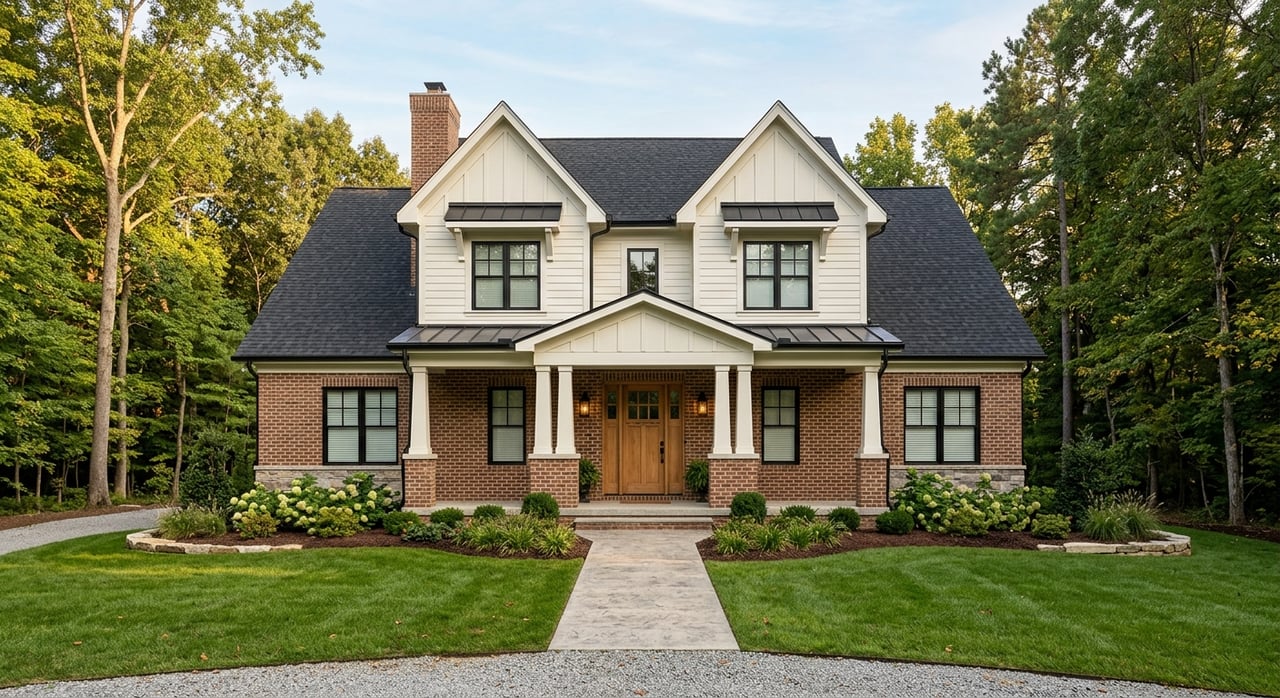
Central Milton is known for rural-residential character. City materials describe large lots over 1 acre, larger homes, greenspace, trails, golf courses, pools, tennis courts, woodlands, and horse farms.
If you picture estate-style living with privacy and a more tucked-away feel, this is the kind of setting many buyers have in mind when they think about Milton.
Crabapple functions as Milton’s downtown and city center. The city describes it as a place with shops, dining, entertainment venues, character neighborhoods, townhomes, and walkable development.
If you want a more connected, mixed-use environment without leaving Milton, Crabapple is one of the clearest options. It offers a different pace from the city’s more rural sections.
Bethany is described by the city as a neighborhood area near schools, shopping, dining, and Crooked Creek Golf Club. For buyers who want access to daily conveniences while staying in a residential setting, this area often stands out.
Arnold Mill and Sweetapple lean especially rural. City planning materials describe horse farms, pastures, and equestrian properties in these areas, which adds to Milton’s distinct countryside identity.
Milton’s housing market is shaped by land, lot size, and low-density development. The city says about 85% of its more than 39 square miles are agriculturally zoned, and residential lots are generally required to be at least 1 acre on that land, according to the city’s About Milton page.
That helps explain why so many homes in Milton feel more spacious and private than what you may find in other suburban areas. It also means inventory can range from estate homes and equestrian properties to golf community homes and some townhome options in more walkable nodes.
From a budget standpoint, Census QuickFacts shows a median owner-occupied home value of $789,000. The same source lists median monthly owner costs with a mortgage at $3,176 and median gross rent at $2,065.
If outdoor space matters to you, Milton has a lot to offer. The city maintains several parks and preserves, including Bell Memorial Park, Birmingham Park, Freedom Park, Lakhapani Preserve, Mayfield Park, Milton City Park and Preserve, and Providence Park.
Many of these spaces include walking trails, and Milton City Park and Preserve also has a public pool and tennis courts. The city also reports that voters approved a $25 million greenspace bond in 2016 and that Milton has since acquired 444.998 acres of greenspace.
For everyday life, that means access to places where you can walk, spend time outdoors, and enjoy the city’s lower-density setting. Even if you are not looking for acreage yourself, that broader landscape helps shape the feel of the community.
Milton’s horse-country identity is not just branding. The city’s Equestrian Committee exists to promote and protect the interests of equestrian enthusiasts and farm owners, and a 2024 city news story cited by the committee reported more than 200 active horse farms around Milton.
Planning materials also point to equestrian estates, horse farms, and trail riding as important parts of the landscape, especially in Birmingham, Arnold Mill, Sweetapple, and Central Milton. If you want a community where that lifestyle is visible and established, Milton stands out in the North Atlanta area.
Even if you are not a rider, this matters because it influences the city’s overall character. You see it in the land use, road views, property types, and the way many parts of Milton have been preserved.
Milton feels residential by design. The city says less than 2% of land is zoned for commercial development, with business activity concentrated in Deerfield, Crabapple, and Birmingham Crossroads.
That balance helps the city keep its lower-density character while still offering useful shopping, office, and dining pockets. In practical terms, you can handle many daily needs close to home, but you will still likely head into nearby North Fulton areas for a broader mix of services and retail.
Deerfield is the city’s chief commercial driver. It is located near Windward Parkway and GA 400, with retail and office space along Highway 9, Deerfield Parkway, and Webb Road.
For residents who want easier access to commuter routes and commercial services, Deerfield can be especially convenient.
Crabapple is more than a downtown label. The city describes Crabapple as the heart of Milton, and recent city information highlights mixed-use places with restaurants, shops, studios, offices, and community events.
If you are looking for one of the most walkable and social parts of Milton, Crabapple is often central to that conversation.
Birmingham is described by the city as cozy and rooted in rural heritage, with commercial properties at Birmingham Crossroads and trails in Birmingham Park. It offers a smaller-scale convenience node that still fits the city’s overall character.
Milton’s social scene is active, but it tends to feel local rather than urban. In Crabapple, the city hosts Crabapple LIVE, a monthly downtown gathering, and Crabapple Fest brings more than 100 vendors along with family activities.
These events give residents easy ways to plug into the community. Instead of a nightlife-heavy environment, Milton offers a calendar built around parks, downtown gatherings, and seasonal local events.
For many buyers, school access is part of the home search. The city’s Milton area schools page lists nearby public schools including Birmingham Falls, Cogburn Woods, and Crabapple Crossing elementary schools, Hopewell and Northwestern middle schools, and Cambridge and Milton high schools.
If schools are a major part of your decision, it is important to verify assignment by property address. Fulton County Schools states that attendance zones are based on residential address and can change through redistricting.
The honest answer is that Milton is selectively walkable, not uniformly walkable. Areas like Crabapple offer more of a mixed-use, pedestrian-friendly setup, while many other parts of the city are defined by larger lots, rural roads, and a car-oriented lifestyle.
That distinction matters when you are comparing neighborhoods. If walkability is high on your list, you will want to focus on specific pockets rather than assume the same experience citywide.
Milton tends to appeal to buyers who want:
It may be a strong fit if you are comfortable with:
Milton offers a lifestyle that can be hard to find elsewhere in the Atlanta area. You get a blend of rural character, polished residential neighborhoods, outdoor access, and a few walkable community nodes, all within reach of major North Fulton conveniences.
The key is knowing that Milton is not one-size-fits-all. Your experience can look very different depending on whether you choose an estate setting, an equestrian area, a golf-oriented neighborhood, or a more connected pocket near Crabapple. If you want help figuring out which part of Milton fits your goals, Mike Donovan is here to help you make a smart, confident move.
Home Buying
Home Buying or Not
Home Selling

Mike Donovan leverages the discipline and integrity of a Marine veteran to deliver a premium real estate experience. With meticulous attention to detail and a commitment to client satisfaction, he transforms buying or selling a home into a seamless and rewarding journey. For Mike, excellence is standard, and every client deserves a path marked by clarity, trust, and confidence.
Mike Donovan
3760 Sixes Rd Ste 108 Canton, GA 30114